
Glossary & Knowledge Base — Southern Excavations
We do more than shift dirt. We shape land to make it practical, safe, and ready for building. Southern Excavations, based in Myocum NSW, has supported residential and commercial projects across the Northern Rivers region for years with expert excavation, earthmoving, and machinery hire services.
This Glossary & Knowledge Base was created to help you understand the terms, processes, and equipment used in our work. Whether you’re planning a new driveway, preparing a shed site, or hiring machinery for a big job, this guide gives you clarity on what’s involved and how we do our services differently.
Excavations
Excavations involve the careful digging, cutting, and reshaping of soil to prepare land for construction, drainage, or landscaping projects. This process may include removing earth, rock, or vegetation to create stable foundations and level building sites.
Proper excavation is the foundation of any successful project. Whether you are building a home, installing a shed, laying pipes, or improving drainage, accurate excavation ensures the site is safe, stable, and compliant with engineering and council requirements. Poor excavation can lead to soil movement, water damage, or structural issues down the track.
Our experienced team uses modern equipment and skilled operators to complete precision cuts while protecting the surrounding environment. We focus on safe soil removal, appropriate grading, and ensuring that every site is stable and construction-ready. From small backyard projects to large-scale commercial earthworks, we approach every job with the same level of care and professionalism.
Do you handle both small and large excavation projects?
Yes. We work on everything from residential landscaping jobs to major commercial excavations.
How deep can you dig?
With our excavators, we can complete anything from shallow cuts to pier holes up to 4.5 metres deep.
What happens to the excess soil?
We remove and responsibly dispose of or reuse soil, ensuring the site is left clean and safe for the next stage of work.
Driveway Construction
Driveway construction involves creating durable accessways designed to handle regular vehicle use. This process typically uses gravel, asphalt, or concrete foundations, depending on the property’s requirements and budget.
A properly built driveway provides safe, reliable access to your property while improving functionality and street appeal. Without correct grading, compaction, or drainage, driveways can develop potholes, rutting, or erosion, especially in areas like the Northern Rivers where heavy rainfall is common.
We prepare each driveway site with precision grading, thorough compaction, and appropriate drainage to ensure long-term durability. Our team builds driveways that are designed to handle both residential traffic and heavier vehicles, making them practical and reliable in all conditions.
Can you repair or upgrade an existing driveway?
Yes. We can regrade, resurface, or rebuild existing driveways to restore function and extend their lifespan.
Do you install drainage with driveways?
Absolutely. Proper drainage is built into the design to prevent water pooling, erosion, and premature damage.
What materials do you recommend for rural driveways?
Gravel and compacted road bases are popular for rural properties because they are cost-effective, durable, and easy to maintain.
Retaining Walls
Retaining walls are engineered structures designed to hold back soil, manage changes in ground level, and prevent erosion on sloped or uneven blocks. They are commonly used to create level areas for driveways, gardens, sheds, or patios while also improving drainage and stability.
On properties in the Northern Rivers region, where sloping sites and heavy rainfall are common, retaining walls provide both structural support and functional outdoor space. Without a retaining wall, soil movement can compromise foundations, cause flooding issues, or make areas of land unusable.
We prepare sites for retaining walls with precision cuts, stable footings, and correct backfilling. Our team works with materials such as block, timber, or stone depending on the project requirements. Every wall is built to engineering standards to ensure compliance with council regulations and long-term safety.
Do you build or just prepare retaining walls?
We prepare retaining wall sites and work with builders or landscapers for the final construction.
Do retaining walls need council approval?
Yes. Retaining walls generally require council approval if they exceed 1 metre in height, and we assist with the preparation process to make sure everything is compliant.
Trenching Work
Narrow excavations used for utilities such as water, gas, and electrical lines. We complete trenching with clean, straight cuts and accurate depth, reducing risks for plumbers and electricians.
Do you trench for irrigation or power lines?
Yes. We provide trenching services for both irrigation systems and power lines, and our team is equipped to handle projects on residential properties as well as larger commercial sites.
What’s the average depth of a trench?
The depth of a trench depends on the type of utility being installed, such as water, electrical, or irrigation lines. Regardless of the project, we always work to the required safety regulations and industry standards.
Shed Cuts & Shed Pads
Levelled and compacted areas prepared for shed construction. We use advanced equipment to create perfectly level pads and cuts, ensuring sheds sit on solid, stable ground.
Do you prepare sites for farm sheds?
Yes. Preparing sites for rural and residential farm sheds is a common part of our services, and we ensure each pad is level, stable, and ready for construction.
Can you handle small backyard shed pads?
Yes. We work on projects of all sizes, including small backyard shed pads, and apply the same level of care and precision to every job.
Earthworks
Earthworks involve the large-scale movement, removal, or reshaping of soil and rock to prepare land for building, farming, or infrastructure projects. This can include clearing vegetation, levelling ground, creating pads, digging pier holes, and improving drainage.
Earthworks are the foundation of stable, functional land development. Without proper earthmoving, structures such as homes, sheds, driveways, and retaining walls risk instability, drainage issues, or erosion. In the Northern Rivers region, where heavy rain and sloping sites are common, well-executed earthworks are critical for both safety and long-term durability.
Southern Excavations deliver earthworks with precision and care, using modern machinery and skilled operators to handle everything from vegetation clearing to large-scale soil removal. Our team ensures that each site is shaped correctly, compacted where needed, and left ready for the next stage of construction. We also focus on environmentally responsible practices, such as recycling soil and managing green waste sustainably.
Do you handle both residential and commercial earthworks in the Northern Rivers?
Yes. We regularly work on small residential properties as well as large rural and commercial sites.
Can you prepare water tank pads as part of earthworks?
Absolutely. We level, compact, and reinforce pads to support water tanks of all sizes.
What equipment do you use for earthworks?
Depending on the job, we use excavators, bobcats, skid steers, and specialised attachments like rock breakers and augers.
Do you assist with erosion control?
Yes. Services like contour grooming and drainage installation are included to prevent erosion and maintain site stability.
Vegetation Removal
Clearing trees, shrubs, and undergrowth before construction. We clear vegetation responsibly, with options for mulching or recycling green waste.
Can you clear large rural blocks?
Yes. Our machinery and operators are equipped to manage both small residential sites and large-scale rural vegetation clearing.
What happens to the removed vegetation?
The removed vegetation can be mulched on-site, reused where appropriate, or hauled away for proper disposal, depending on the needs of the project.
Soil Removal
Removing excess soil, clay, or fill from sites. We cart away surplus soil with efficient haulage and disposal methods, leaving your site construction-ready.
Do you provide skip bins for soil?
No. We manage soil removal using our trucks and specialised equipment rather than providing skip bins, ensuring the process is efficient and safe.
Can you handle contaminated soil?
Yes. We are able to manage contaminated soil and follow the required procedures in accordance with local regulations to ensure compliance and safety.
Contour Grooming
Shaping the land to follow natural slopes for stability and drainage. We refine land contours to prevent erosion and improve water flow on Northern Rivers properties.
Is contour grooming only for farms?
No. While contour grooming is often used in agricultural settings, residential sites also benefit from controlled land shaping to improve drainage, reduce erosion, and create stable surfaces for building or landscaping.
Water Tank Pads
Levelled and compacted bases for water tank installation. We create reinforced pads that prevent tanks from shifting or sinking.
Do you work with large commercial tanks?
Yes. We prepare stable, level bases for both domestic water tanks and large commercial tanks, ensuring they are properly supported for long-term use.
Pier Holes
Deep holes drilled for structural supports such as poles or piers. With our auger equipment, we can drill holes up to 4.5m deep to engineering standards.
Do you provide pier holes for decks and verandas?
Yes. We drill pier holes for both residential and commercial projects, making them ideal for supporting decks, verandas, and other structural installations.
Machinery Hire
Machinery hire provides access to specialised earthmoving and excavation equipment, such as excavators, bobcats, skid steers, and attachments, for residential, commercial, and rural projects. Hiring machinery with skilled operators ensures that work is completed efficiently, safely, and to the required standard.
The right equipment makes a significant difference in the quality and speed of excavation and earthmoving work. Whether digging pier holes, clearing vegetation, levelling driveways, or breaking through rock, using modern machinery operated by professionals reduces risks, prevents delays, and ensures a superior result.
We supply a wide range of machines, including 5-tonne and 8-tonne excavators, bobcats, skid steers, and a 100hp Posi Track, along with attachments such as augers, rock breakers, pallet forks, and hydraulic brooms. All machinery is available with experienced operators, meaning you don’t need to worry about training, safety, or insurance. Our approach focuses on matching the right equipment to the job so clients get value, efficiency, and peace of mind.
Which excavator is best for small residential jobs?
The 5-tonne excavator is ideal for tighter spaces, while the 8-tonne is better suited to larger projects.
Do you offer attachments for specialised work?
Yes. We provide augers for drilling, rock breakers for demolition, pallet forks for material handling, and other attachments to suit specific project needs.
Is machinery hire available for rural properties?
Absolutely. Many of our projects involve rural sites across the Northern Rivers, from farm shed cuts to water tank pads.
Bobcat Hire
Versatile skid-steer loaders used for excavation, grading, and site prep. We supply bobcats with experienced operators for efficiency and safety.
What types of jobs are bobcats best suited for?
Bobcats are ideal for site preparation, soil removal, grading, backfilling, and working in tighter spaces where larger machinery cannot easily access.
Do you provide bobcats with attachments?
Yes. We can supply bobcats with attachments such as pallet forks, hydraulic brooms, or augers depending on the requirements of your project.
Are bobcats suitable for both residential and commercial projects?
Absolutely. Bobcats are versatile machines used across residential landscaping, commercial construction, and rural property maintenance.
How do I know if I need a bobcat or an excavator?
Bobcats are generally used for surface work such as clearing, levelling, or spreading material, while excavators are better for digging or deep excavation. We can advise on the right machine for your project.
Excavators (5 Tonne & 8 Tonne)
Heavy machines for digging, lifting, and moving large amounts of soil. Our excavators handle small residential digs up to large commercial earthmoving.
Which excavator should I choose?
You should choose a 5-tonne excavator if your project involves tighter spaces or smaller residential works. For larger excavation jobs that require more power and reach, the 8-tonne excavator is the better option.
100hp Posi Track & Skid Steer
Compact tracked loaders used for grading, backfilling, and site prep. We use Posi Tracks to handle sloped or sandy sites where wheeled equipment struggles.
Do you recommend a skid steer or a Posi Track?
A skid steer is suitable for firm, level surfaces where manoeuvrability is important. A Posi Track, on the other hand, performs better on soft, sandy, or uneven ground because its tracks distribute weight more evenly, reducing the risk of sinking or getting stuck.
Auger
A drill attachment for digging holes quickly and accurately. Our augers handle pier holes, fencing posts, and utility poles.
What sizes of auger do you have?
We offer augers in multiple sizes to suit a wide range of projects. Our equipment can handle both residential jobs, such as fencing and landscaping, as well as larger commercial projects that require deeper or wider pier holes.
Rock Breaker
Hydraulic attachment for breaking rock or concrete. Ideal for removing hard surfaces where excavation is needed.
Can you use a rock breaker for small jobs?
Yes. Our rock breakers can be used for both small residential tasks and larger commercial projects, and we adapt the equipment to suit the size and requirements of each job.
Hydraulic Rock Grabs
Hydraulic grabs for handling large rocks and debris. We use these for rock placement, retaining wall prep, and site clearing.
Do you provide rock grabs for landscaping?
Yes. Our hydraulic rock grabs are well-suited for landscaping projects in the Northern Rivers and are particularly effective for placing decorative rocks accurately and safely.
Pallet Forks
Attachments for lifting pallets and heavy materials. We use pallet forks for material handling on construction sites.
Can pallet forks be used on uneven ground?
Yes. Pallet forks can be used on uneven ground with careful operation, but they perform best and most safely on properly prepared and level surfaces.
Hydraulic Broom
Attachment for sweeping and cleaning worksites. Keeps job sites clean and safe by removing debris.
Do you use brooms after driveway construction?
Yes. We use hydraulic brooms to clean the site after driveway construction, ensuring the area is left safe, tidy, and ready for use.
General Excavation, Earthmoving & Machinery Hire Terms
Access Track — A temporary or permanent path built to allow machinery or vehicles onto a property or construction site.
Bench — A flat step or ledge cut into a slope during excavation to make the land more stable.
Borrow Pit — An area where soil or gravel is dug up to use as fill material on another site.
Bulk Excavation — Large-scale removal of soil or rock, often for subdivisions, commercial projects, or major building foundations.
Cut and Fill — Moving soil from higher areas (cut) to lower areas (fill) to create a level surface for building or access.
Compaction — The process of compressing soil to remove air pockets, making it denser and more stable for building.
Fill Material — Soil, gravel, or rock used to raise ground levels or backfill excavated areas.
Final Trim — The last stage of earthmoving where the ground is precisely levelled, often using laser-guided equipment.
Grading — Shaping and smoothing the ground to ensure correct levels for driveways, pads, or drainage.
Laser Levelling — Using laser technology to achieve precise, flat surfaces during excavation and earthworks.
Overburden — Layers of soil or rock covering the area that needs to be excavated.
Pier Hole — A deep, narrow hole drilled for structural posts, piers, or foundations (up to 4.5m deep with Southern Excavations’ auger).
Plate Compactor — A machine used to compact soil, gravel, or asphalt in small areas like trenches and paths.
Retention Basin — A shallow excavated area designed to collect and slowly release stormwater runoff.
Rock Breaking — The process of fracturing or removing large rocks using specialised attachments like a hydraulic rock breaker.
Site Cut — The initial excavation on a site to create a level base for construction, such as house slabs or shed pads.
Site Preparation — Clearing, grading, and compacting land to make it ready for construction or landscaping.
Soil Erosion Control — Measures like contour grooming, retaining walls, or drainage to prevent soil loss from water or wind.
Subgrade — The compacted soil layer that forms the foundation for pads, driveways, and pavements.
Topsoil Stripping — Removing the nutrient-rich upper soil layer before excavation, often stockpiled for reuse in landscaping.
Trenching — Narrow, controlled excavation used for utilities like water, gas, electrical, or irrigation lines.
Utility Locating — The process of identifying underground services before excavation to avoid damage or accidents.
Working Load Limit (WLL) — The safe weight capacity that machinery or attachments can carry or lift.
Excavation and earthmoving are more than just digging a hole—they’re about setting the groundwork for safe, long-lasting projects. Our team combines skilled operators with modern equipment to deliver reliable results. Contact Southern Excavations for professional guidance on excavation, earthmoving, or equipment hire across the Northern Rivers region.
1981
Extensive
Local
Efficiency
PROJECTS
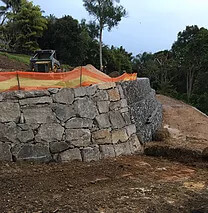
rock and gabion
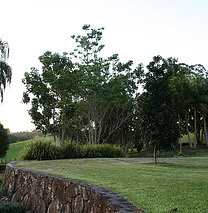
Figtree lane
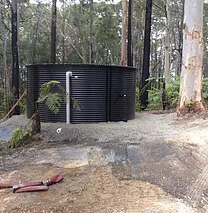
tank base
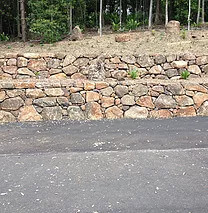
RW finished
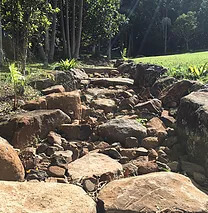
dry creek bed
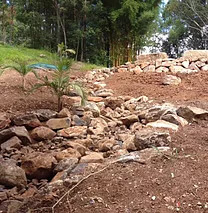
Stormwater drainage
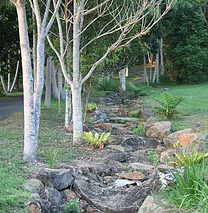
Dry creek bed
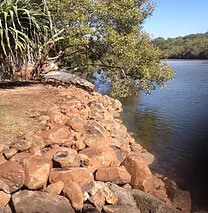
River retaining wall
working in the Byron Bay area.
With valuable local and industry knowledge, we value a job done properly
with care for the local environment and a thought for keeping the costs down.”
Contact Us
Inquiries
Contact
Myocum
Tel: 0427 788 773
Employment
At this stage only experienced operators required on casual basis.